

Why Rubbing Alcohol Deserves a Spot in Your Cleaning Arsenal
Rubbing alcohol for cleaning is one of the most versatile and effective household products you probably already have. Here's what makes it such a powerful cleaning tool:
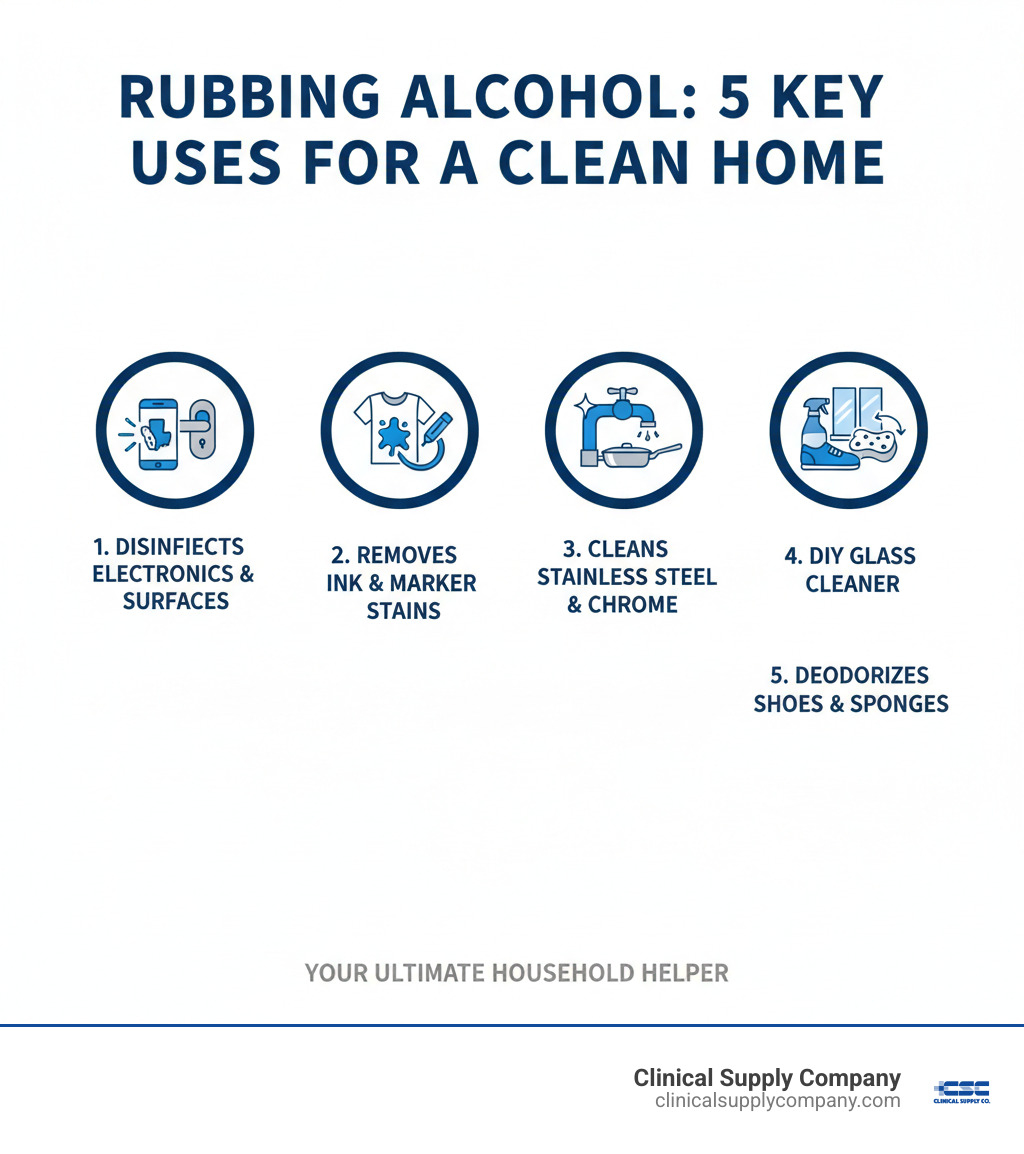
- Disinfects surfaces by killing bacteria, viruses, and fungi on contact
- Removes stubborn stains including ink, permanent marker, grease, and tree sap
- Cleans electronics safely thanks to its fast evaporation and residue-free finish
- Shines fixtures and appliances by breaking down water spots and mineral buildup
- Creates streak-free glass when mixed with water and vinegar
- Deodorizes and refreshes shoes, sponges, and countertops
Also known as isopropyl alcohol, this clear liquid is a powerful solvent and disinfectant. Its unique molecular structure dissolves oils and organic materials while killing germs, making it ideal for removing hairspray buildup from mirrors or disinfecting doorknobs.
The best part? It's inexpensive, readily available, and often works faster than commercial cleaners. The 70% concentration is perfect for most disinfecting, while the 90% version excels at cleaning electronics without risking water damage.
However, it's not a one-size-fits-all solution. It can damage surfaces like finished wood, delicate fabrics, and some plastics. It's also highly flammable and creates toxic chloroform gas when mixed with bleach. Knowing how to use it safely is key.
I'm Adam Schuh, President and CEO of Clinical Supply Company. My experience providing healthcare facilities with effective infection control products has shown me how powerful rubbing alcohol for cleaning is when used correctly—both professionally and at home.
Understanding Isopropyl Alcohol: Your Secret Cleaning Weapon
Ever wondered what makes rubbing alcohol for cleaning so effective? While people use "isopropyl alcohol" and "rubbing alcohol" interchangeably, there's a subtle difference. Isopropyl alcohol is the pure chemical compound, while rubbing alcohol is that same chemical mixed with purified water.
Interestingly, this dilution with water isn't just to make the product cheaper; it's what makes rubbing alcohol so effective for disinfecting your home.
Rubbing alcohol works as both a disinfectant and a solvent. As a disinfectant, it kills bacteria, viruses, and fungi by breaking down their protective outer layers. The CDC confirms the effectiveness of alcohol as a disinfectant for many pathogens. As a solvent, it dissolves substances water can't, like oils, grease, and adhesives. This dual action makes it a versatile tool for everything from greasy stovetops to permanent marker stains.
Choosing the Right Concentration: 70% vs. 90%
When you see bottles labeled 70% and 90%, you might assume higher is better, but that's not the case for disinfecting.
For most household disinfecting, 70% concentration is more effective than 90%. It sounds counterintuitive, but the 30% water content is key. Water slows the alcohol's evaporation, giving it more time to penetrate and destroy the cell walls of bacteria and viruses. Higher concentrations evaporate too quickly to be fully effective as disinfectants.
The 90% concentration shines when you need fast drying with no residue. This makes it perfect for cleaning electronics like phones and keyboards, where moisture is a risk. It also provides a streak-free finish on glass and mirrors.
Here's a quick guide to help you choose the right concentration for your cleaning task:
| Feature | 70% Isopropyl Alcohol | 90%+ Isopropyl Alcohol |
|---|---|---|
| Primary Use | General household disinfection, first aid | Cleaning electronics, quick-drying applications |
| Effectiveness | Better for killing germs (slower evaporation, better cell penetration) | Faster evaporation, less effective disinfectant due to speed |
| Evaporation | Moderate | Very fast |
| Residue | Minimal | Virtually none |
| Best For | Countertops, doorknobs, minor cuts, general sanitizing | Phones, keyboards, computer components, streak-free glass |
Both concentrations have their place in your cleaning routine. Keep a bottle of 70% for most disinfecting tasks and reach for the 90% when cleaning electronics or when you need extra-fast drying time.
15 Genius Ways to Use Rubbing Alcohol for Cleaning
Now, let's dive into the practical magic of rubbing alcohol for cleaning. Here are some of my favorite ways to use this versatile liquid to solve common household problems.
Disinfecting Electronics and High-Touch Zones
Your phone, keyboard, and light switches are touched constantly, becoming germ magnets. That's where rubbing alcohol really shines.
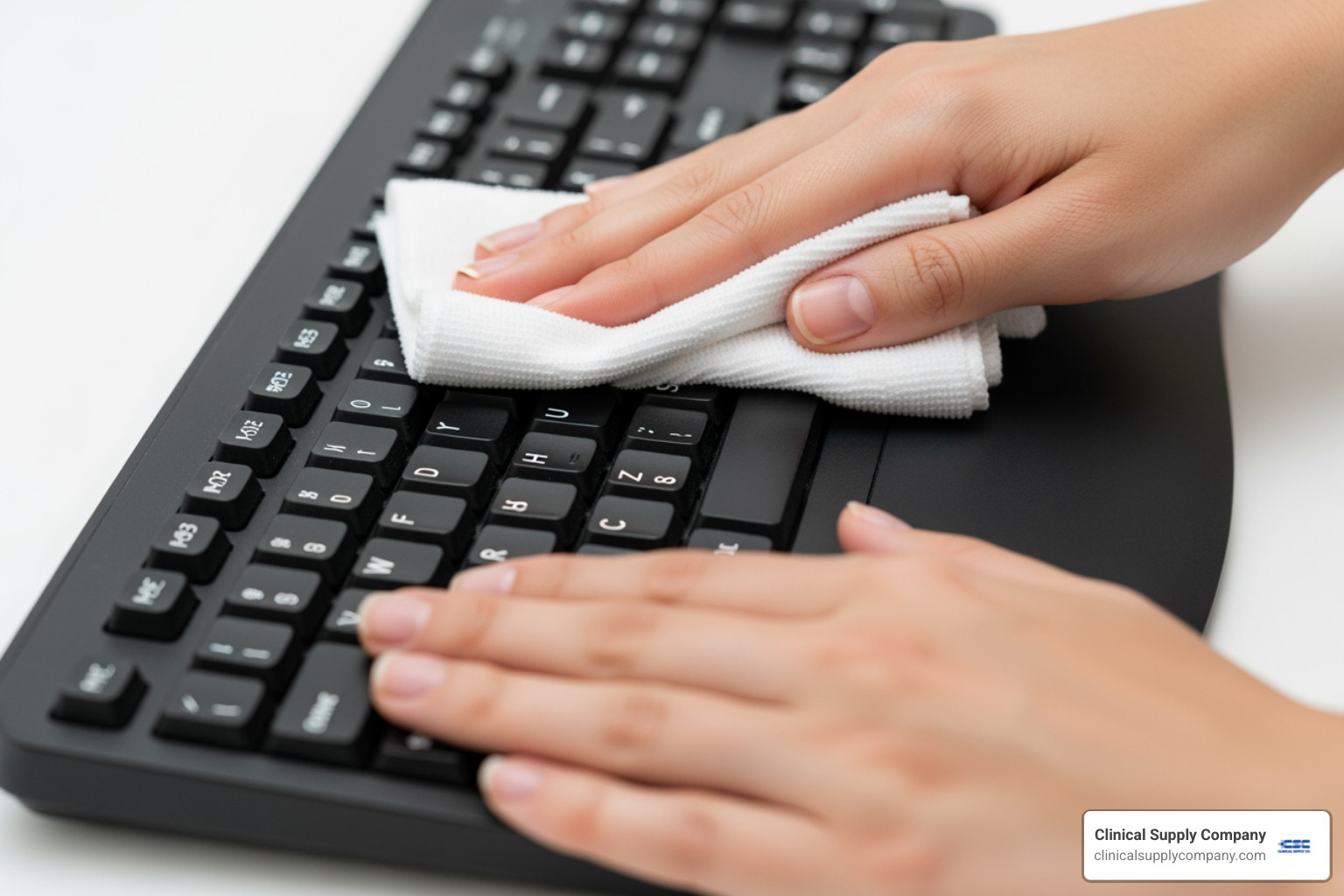
For electronics like phones and keyboards, use 90% isopropyl alcohol. Its quick evaporation prevents moisture damage. Dampen a soft, lint-free cloth or cotton swab—never spray directly on devices—and gently wipe all surfaces. Cotton swabs are great for getting between keys.
Doorknobs, light switches, and faucet handles are high-traffic spots for germs. A quick wipe with a cloth dampened in 70% rubbing alcohol disinfects and removes grime. I recommend doing this daily, especially during cold and flu season.
Don't forget smaller personal items like thermometers and manicure tools. A cotton pad soaked in rubbing alcohol provides thorough disinfection without any fuss.
Keeping these frequently touched areas clean is one of the simplest ways to protect your family's health. For more insights on this topic, check out our guide on Reducing infection risks in your environment.
Erasing Stubborn Stains with Rubbing Alcohol for Cleaning
Rubbing alcohol for cleaning is a powerful solvent that can break down even the toughest stains.
- Ink stains: For fabric, place a towel underneath the stain, then blot with an alcohol-dampened cloth from the outside in to prevent spreading. On hard surfaces, simply apply the alcohol and wipe.
- Permanent marker: Saturate the mark with rubbing alcohol, let it sit for a few minutes to break down the ink, and then wipe it clean.
- Grass stains: Apply a mix of rubbing alcohol and a few drops of dish soap to the stain, let it sit for 20 minutes, then wash as usual.
- Grease buildup: The alcohol cuts through sticky film on countertops and appliances. For tough spots, spray a mix of equal parts hot water and rubbing alcohol.
- Hairspray film: A cotton pad with alcohol instantly dissolves the sticky residue on mirrors and tiles.
- Sticky label residue: Saturate the gummy residue with alcohol, wait 10-15 minutes, then scrape it away with a plastic scraper.
- Tree sap on your car: Apply alcohol on a soft cloth, let it sit on the sap to soften it, then gently rub in circles. Avoid abrasive materials that could scratch your paint.
Achieving a Streak-Free Shine in Kitchens and Bathrooms
Rubbing alcohol for cleaning is my secret weapon for a professional, streak-free shine on appliances and fixtures.
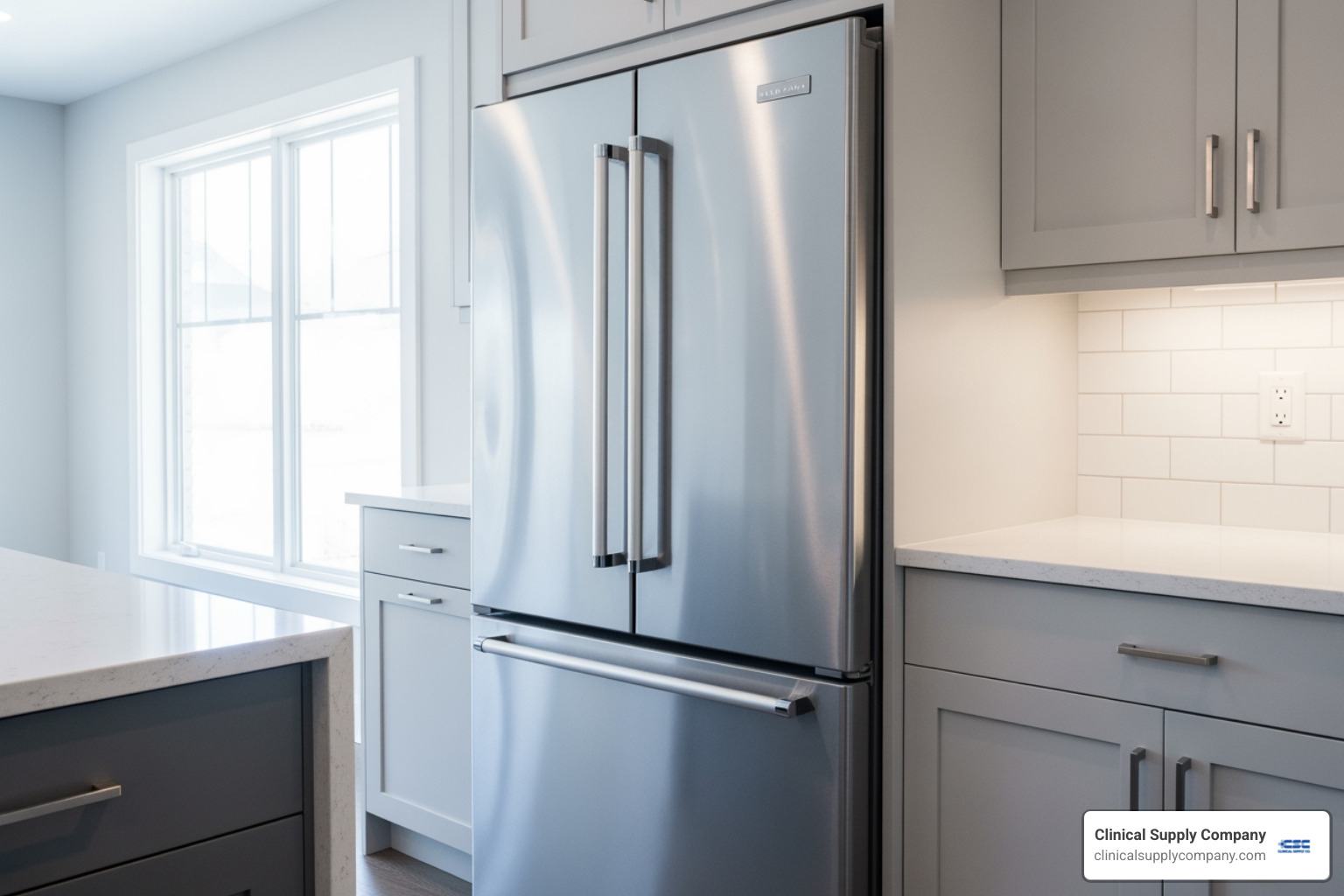
- Stainless steel appliances: To remove smudges and get a brilliant shine, dampen a microfiber cloth with alcohol and wipe with the grain of the metal.
- Chrome fixtures: A quick wipe with alcohol breaks down mineral deposits from hard water, restoring the gleam to faucets and showerheads.
- Glass and mirrors: Alcohol's rapid evaporation prevents streaks, leaving a crystal-clear finish.
- Water spots: Those white rings on hard surfaces and around fixtures disappear with a quick wipe of an alcohol-dampened cloth.
- Sinks: Spray alcohol into your porcelain or stainless steel sink and buff with a dry cloth for a gleaming, disinfected finish.
- Countertops: A 70% isopropyl alcohol solution disinfects most countertop materials. For granite, a quick wipe with alcohol and a few drops of essential oil leaves them clean and fresh.
Creating Your Own DIY Solutions with Rubbing Alcohol for Cleaning
Create your own economical and effective solutions with rubbing alcohol for cleaning instead of cluttering your cabinets with specialized products.
- DIY glass cleaner: Combine one cup of rubbing alcohol, one cup of distilled water, and one tablespoon of white vinegar in a spray bottle. It produces a genuinely streak-free shine on glass, chrome, and tile.
- Custom air freshener: In a misting bottle, combine one-quarter rubbing alcohol and three-quarters water, plus 10-20 drops of your favorite essential oils. The alcohol helps neutralize odors, not just mask them.
- Deodorize shoes: Lightly mist the insides of shoes with rubbing alcohol. It kills odor-causing bacteria and evaporates quickly.
- Refresh kitchen sponges: Extend a sponge's life by soaking it in a bowl of rubbing alcohol for 10 minutes to disinfect it. Rinse well and let it dry completely before use.
Safety First: What NOT to Do When Cleaning with Rubbing Alcohol
While rubbing alcohol for cleaning is fantastic, it's not a magic wand for every surface. Using it incorrectly can lead to discoloration or even serious health hazards. Think of it as a powerful tool: effective when used properly, but dangerous otherwise. Let's review the safety rules.
Surfaces and Materials You Should Never Clean with Alcohol
Rubbing alcohol is a strong solvent, which is great for grease but a nightmare for certain materials. To avoid accidental damage, never use it on the following:
- Finished, lacquered, shellacked, or painted wood: Alcohol can strip or dissolve these finishes, leaving dull, damaged spots.
- Certain plastics: Some plastics can cloud, crack, or discolor. Always test on a hidden spot first, or simply avoid using it.
- Delicate fabrics: Be extra cautious with wool, silk, and rayon, as alcohol can cause discoloration or structural damage.
- Porous gemstones and rubber: Keep alcohol away from pearls and opals, which can dry out and lose their luster. It can also make rubber components brittle.
The bottom line: When in doubt, test on an inconspicuous area first.
Critical Safety Precautions for Handling Rubbing Alcohol
Beyond surface damage, handling rubbing alcohol requires non-negotiable safety precautions for your health and home.
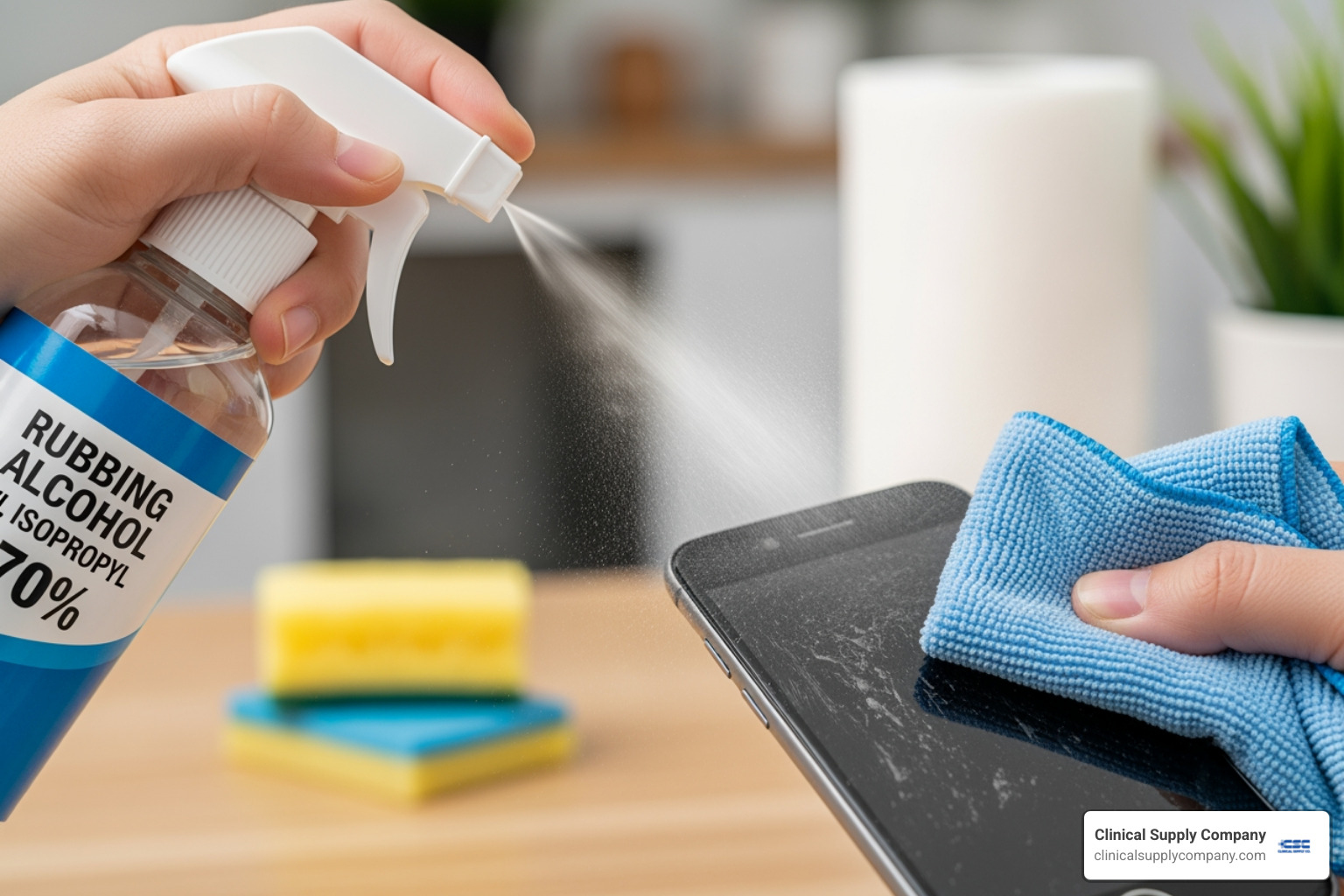
- It's highly flammable. Never use it near an open flame, spark, or high heat source. Blow out candles and turn off gas stoves before cleaning.
- Ensure good ventilation. Fumes can cause dizziness and headaches. Open windows or turn on a fan.
- Never mix rubbing alcohol with bleach. This is the most critical warning. The combination creates highly toxic chloroform gas, which can cause severe respiratory and central nervous system damage. For more guidance, see our Essential do's and don'ts for surface cleaning.
- Avoid prolonged skin contact. It can cause irritation and dryness. Wear gloves for extended cleaning sessions.
- Store it safely. Keep it clearly labeled and out of reach of children and pets to prevent accidental poisoning. The Poison Control Center has more information on these risks.
- Always spot test. Before using alcohol on a new surface, test a small, hidden area to prevent irreversible damage.
At Clinical Supply Company, we believe in cleaning that is both effective and safe. Understanding these precautions allows you to harness the power of rubbing alcohol for cleaning without the risks.
Frequently Asked Questions
We get a lot of questions about rubbing alcohol for cleaning. Let's tackle some of the most common ones.
Is a higher concentration of rubbing alcohol better for disinfecting?
It's counterintuitive, but for disinfecting, 70% rubbing alcohol actually outperforms the 90% version.
Why? The 30% water content is a crucial part of the process. Water helps the alcohol penetrate the cell walls of bacteria and viruses more effectively and slows the evaporation rate, giving the alcohol more contact time to destroy germs.
Higher concentrations like 90% or 99% evaporate so quickly that they don't have enough time to kill microorganisms effectively. For most household disinfecting—countertops, doorknobs, light switches—stick with the 70% concentration. Save the 90% for electronics where rapid, residue-free drying is needed.
Can I mix rubbing alcohol with bleach or other cleaners?
Never, ever mix rubbing alcohol with bleach. This is a critical safety warning.
When combined, these two chemicals create chloroform gas, which is highly toxic. It can cause serious respiratory problems, dizziness, and even damage to your central nervous system. In severe cases, exposure can be fatal.
Rubbing alcohol works beautifully on its own or in simple DIY recipes with safe ingredients like water or vinegar. When cleaning, use products separately. If you've used bleach on a surface, rinse it thoroughly with water before using alcohol.
What's the best way to remove permanent marker with rubbing alcohol?
Rubbing alcohol for cleaning is remarkably effective at tackling permanent marker stains. The key is its power as a solvent.
First, saturate the stain with rubbing alcohol. On fabric, place a towel underneath to catch bleed-through. On hard surfaces, apply it directly.
Next, let it sit for a few minutes. This allows the alcohol to break down the marker's pigments. Patience is key.
Then, blot the stain with a clean cloth, working from the outside edges toward the center to prevent spreading. As the cloth absorbs the ink, switch to a clean section and continue blotting.
You may need to repeat the process for stubborn marks. Once the stain is lifted, launder fabric items as usual or wipe hard surfaces clean with a damp cloth.
Conclusion
I hope you now see that unassuming bottle of rubbing alcohol for cleaning with fresh eyes. This simple, inexpensive liquid can transform many household cleaning challenges, from disinfecting doorknobs to erasing permanent marker to shining stainless steel appliances.
What makes rubbing alcohol a powerhouse is its dual nature. As an effective disinfectant, it eliminates germs to help you maintain a healthier home. As a powerful solvent, it dissolves grease and sticky residues that other cleaners can't. Its versatility allows you to replace multiple specialized products with this single, affordable solution.
At Clinical Supply Company, we provide dental professionals with products that are effective and safe when used properly. That same philosophy applies to household cleaning. Rubbing alcohol for cleaning embodies the efficiency, effectiveness, and affordability we value.
Of course, with great power comes great responsibility. Always choose the right concentration for the task (70% for disinfecting, 90% for electronics), respect surfaces it can damage (like finished wood), and prioritize safety. Good ventilation is essential, and mixing with bleach is absolutely off the table.
When used thoughtfully and safely, rubbing alcohol helps you create a healthier, more hygienic space for your family. If you're looking for more professional-grade cleaning and disinfection solutions, we're here to help. Find the best disinfectant cleaners for your needs and see how Clinical Supply Company can support your commitment to a cleaner, safer home.