
Why Surface Disinfection Is Critical in Every Dental Practice
Dental disinfectant wipes are pre-moistened, disposable towelettes that clean and disinfect non-porous surfaces in a single step, eliminating the need for spray bottles and separate cloths. They offer a convenient, mess-free alternative to traditional liquid disinfectants while reducing overspray and airborne particles around sensitive dental equipment.
During patient treatment, every surface in your operatory—from light handles to countertops—becomes contaminated. Wipes reduce overspray and airborne particles, making them safer for sensitive dental equipment. They ensure consistent coverage, reduce cross-contamination risks, and are quick to use between patients, saving time while upholding high infection control standards.
Choosing the right wipe isn't just about convenience. It's about balancing kill claims (pathogens eliminated), contact time (how long surfaces must stay wet), and material compatibility (if it damages upholstery or plastics). Some wipes kill tuberculosis in one minute, others in three. High-alcohol formulas can crack vinyl chairs, while alcohol-free options protect sensitive surfaces without sacrificing efficacy.
I'm Adam Schuh, President and CEO of Clinical Supply Company. I've spent years working with dental professionals to source infection control products that meet FDA standards and real-world demands. In this guide, I'll share insights on dental disinfectant wipes that balance speed, safety, and surface compatibility, helping you protect your patients and equipment without compromise.
Key Factors for Choosing the Best Dental Disinfectant Wipes
Not all dental disinfectant wipes are equal. I've seen practices buy wipes on sale, only to find their vinyl chairs cracking or staff complaining about harsh odors. Choosing the right wipe isn't just about killing germs—it's about protecting your team, patients, and equipment investment.
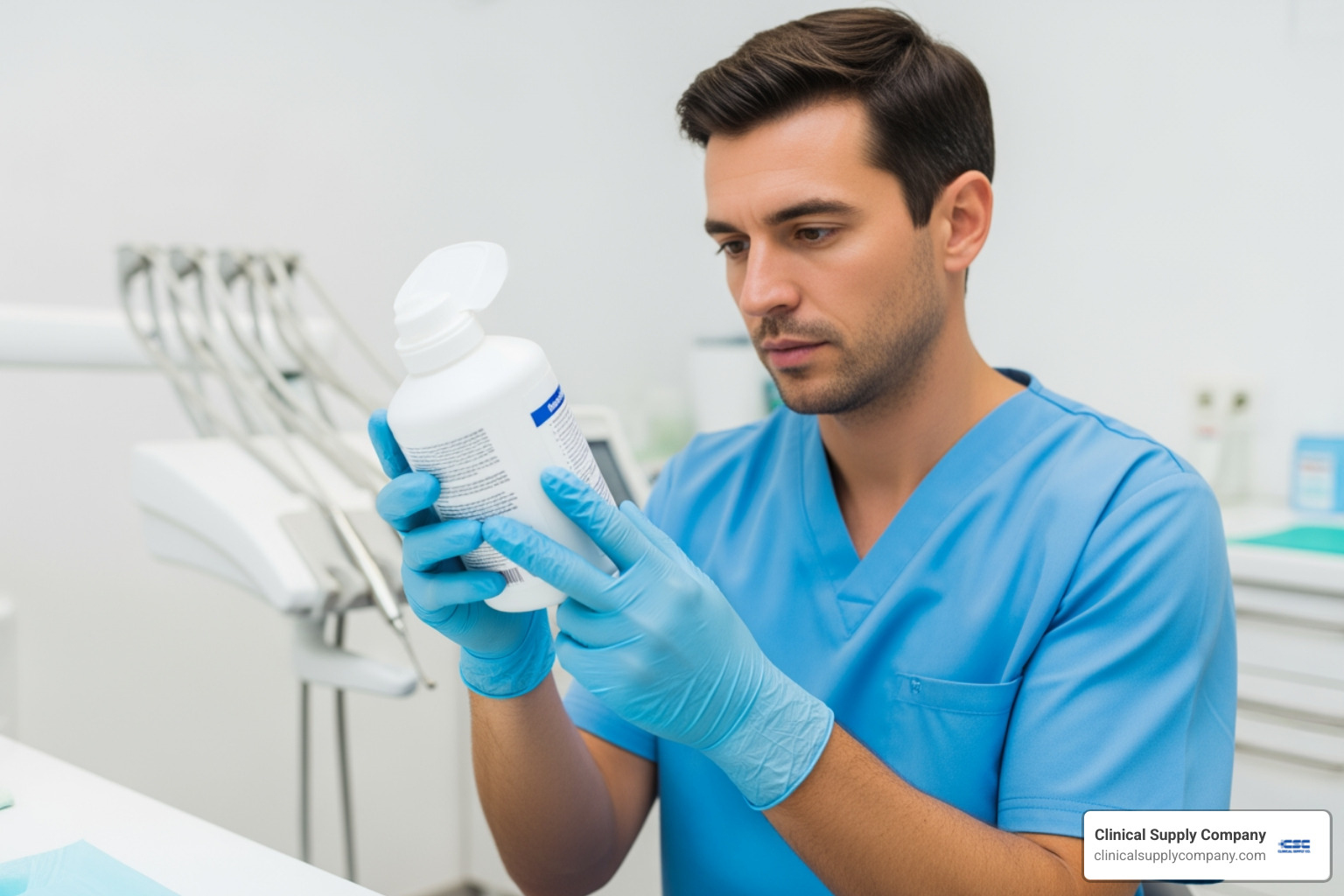
When helping dental professionals select supplies, we focus on four factors: kill claims, contact time, active ingredients, and material compatibility. These impact your workflow, compliance, and costs. The CDC's Guidelines for Infection Control in Dental Health-Care Settings are the foundation, and our post on Choosing the Best Disinfectant Cleaners offers more practical insights.
Kill Claims and Contact Time
The kill claim lists the pathogens a dental disinfectant wipe eliminates. This information should be clear on the product label. Dental operatories require an EPA-registered, hospital-grade disinfectant, which means it has passed rigorous testing for healthcare standards.
The benchmark is tuberculocidal efficacy. If a wipe kills Mycobacterium tuberculosis, one of the most resistant bacteria, it can handle most other viruses and bacteria you encounter, including HBV, HIV, MRSA, and SARS-CoV-2. For example, MaxiWipe achieves this in 3 minutes while being gentle on sensitive environments, offering great protection without the drawbacks of high-alcohol products.
Contact time—sometimes called dwell time—is equally critical. This is how long the surface must stay visibly wet for the disinfectant to do its job. If the surface dries before the contact time is met, you haven't actually disinfected anything. You've just cleaned. Some products claim impressively fast kill times of 30 to 60 seconds, but these often come with trade-offs in material compatibility or cost. MaxiWipe's 3-minute contact time strikes an ideal balance—it's fast enough to fit between patient turnovers while being achievable with proper wiping technique. The key is keeping surfaces wet for the full duration. If an area starts to dry, simply re-wipe it to maintain wetness.
Active Ingredients and Material Compatibility
The active ingredients in your dental disinfectant wipes determine not just what they kill, but what they might damage in the process. I've heard too many stories of practices finding too late that their "powerful" wipes were slowly destroying their upholstery and cracking their equipment housings.
Quaternary Ammonium Compounds (Quats) are broad-spectrum disinfectants with excellent material compatibility. When formulated properly—like in MaxiWipe—they effectively kill pathogens without the harsh side effects of alcohol-based products. This makes them ideal for daily use on all the surfaces in your operatory, from dental chairs to countertops.
Isopropyl Alcohol (IPA) is fast-acting but comes with significant drawbacks. High-alcohol formulas (55% or higher) can cause environmental stress cracking in plastics and polymers. Over time, this degrades vinyl upholstery, turning it brittle and creating tiny crevices where bacteria can hide. The strong chemical odor also requires good ventilation, which isn't always practical in smaller operatories. While some competitors rely heavily on alcohol for quick kill times, the long-term damage to your equipment often outweighs the time savings.
Hydrogen Peroxide formulas break down into water and oxygen after use, making them environmentally friendly. They typically offer very fast kill times—30 to 60 seconds in some cases—and good material compatibility. However, these products often come at a premium price point that can strain practice budgets over time.
Alcohol-free options like MaxiWipe represent a smart middle ground. They provide excellent material compatibility with upholstery, plastics, and acrylics while maintaining intermediate-level disinfection status. MaxiWipe is also fragrance-free, making it ideal for practices with staff or patients who have chemical sensitivities. The formulation protects your equipment investment while meeting all regulatory requirements.
Material compatibility isn't just about avoiding obvious damage. It's about preserving the longevity of surfaces that cost thousands of dollars to replace. Before committing to a new wipe, always test it on an inconspicuous area of your equipment. For more detailed guidance on using surface wipes effectively and safely, read our Surface Wipes: A Guide to Effective Use.
The right dental disinfectant wipe protects your patients, your staff, and your investment in quality dental equipment—all while fitting seamlessly into your between-patient workflow.
Top Dental Disinfectant Wipes for a Germ-Free Operatory
Selecting the right dental disinfectant wipes can feel overwhelming. At Clinical Supply Company, we help dental professionals find what really matters: effective disinfection that doesn't compromise equipment or create an uncomfortable environment. This section compares leading wipes, focusing on why MaxiWipe offers the best balance of efficacy, safety, and value for your practice.
The Superior Choice for Sensitive Environments: MaxiWipe Alcohol-Free Wipes
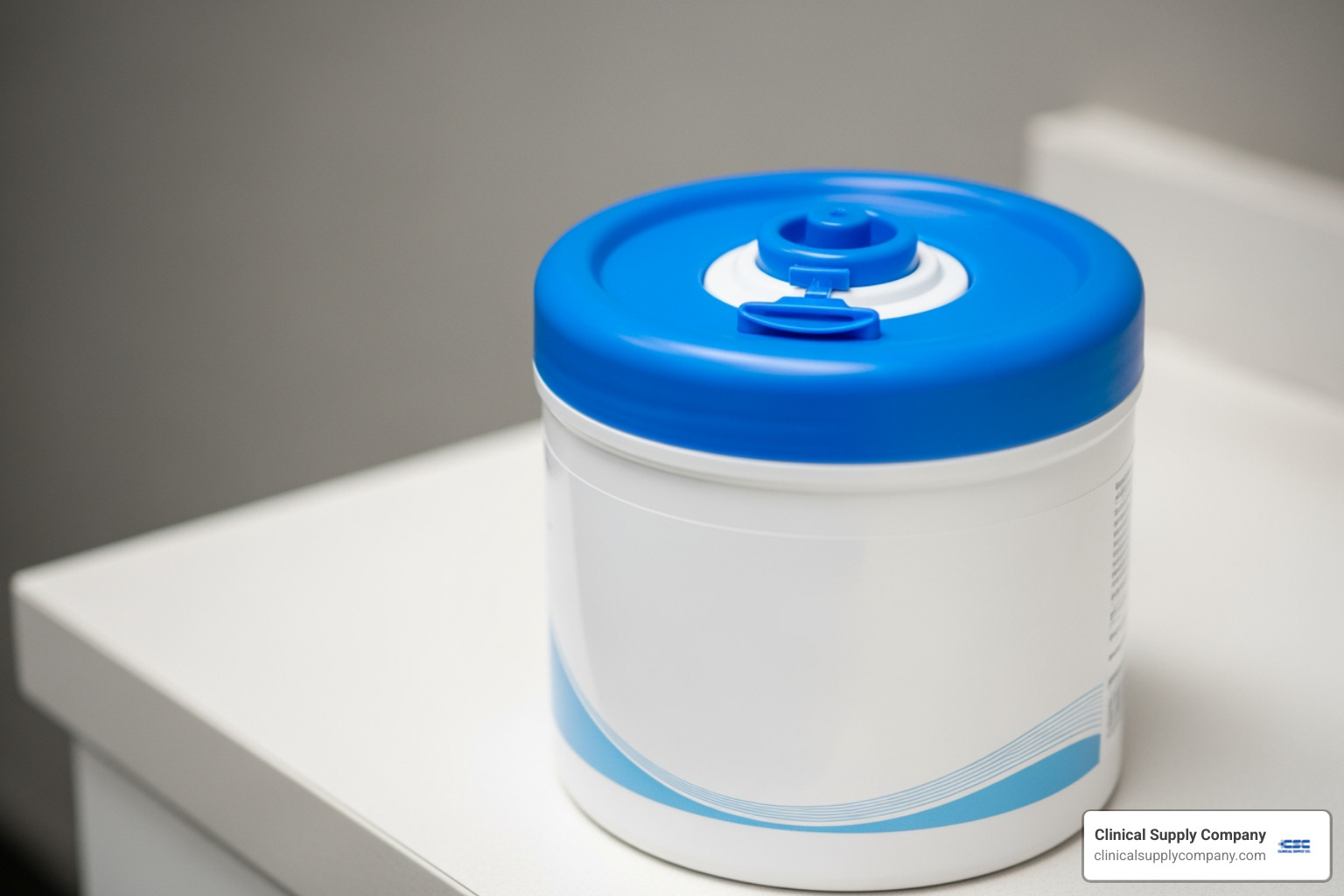
Dental professionals often voice two main concerns about disinfectant wipes: harsh chemical odors and damage to expensive equipment. That's why we proudly recommend MaxiWipe Alcohol-Free Wipes as our top choice.
These wipes deliver powerful, EPA-registered intermediate-level disinfection without the drawbacks of high-alcohol formulations. The alcohol-free and fragrance-free formula is ideal for practices with staff or patients who have chemical sensitivities. You won't need to worry about strong chemical smells between patients.
MaxiWipe has a 3-minute kill time for a broad spectrum of pathogens, including SARS-CoV-2, tuberculosis, and other common healthcare pathogens. While some wipes are faster, they often use high alcohol concentrations with significant trade-offs. MaxiWipe's excellent material compatibility protects your dental chairs, vinyl upholstery, and sensitive equipment from the cracking and degradation caused by alcohol. This saves you money as your equipment lasts longer and looks professional.
For practices prioritizing both safety and longevity, MaxiWipe offers the best overall value. To learn more about how proper wipe selection reduces infection risks without compromising your investment in quality equipment, check out our guide: Reducing Infection Risks with Cleaning Wipes.
High-Alcohol Options: Super Sani-Cloth Wipes
Super Sani-Cloth wipes are a common choice due to their high alcohol content (around 55%) and fast 2-minute kill time. They are EPA-registered and effective against many pathogens, including SARS-CoV-2 and tuberculosis.
However, this high alcohol concentration has significant drawbacks. The strong chemical odor requires good ventilation and can be unpleasant for patients and staff. More concerning is the material compatibility issue. The 55% alcohol content is harsh on vinyl chair covers and plastic surfaces. Over time, practices using these wipes often notice their upholstery becoming brittle, cracked, or discolored—damage that's expensive to repair.
The volatile nature of high-alcohol formulas also makes it challenging to maintain the full 2-minute contact time. Staff may need multiple wipes to keep a surface wet, increasing supply costs. Compared to MaxiWipe's gentle yet effective formula, the choice is clear: you don't need to sacrifice your equipment or comfort for excellent disinfection.
Hydrogen Peroxide-Based Dental Disinfectant Wipes: Oxivir & Clorox
Hydrogen peroxide-based wipes like Oxivir 1 and Clorox Healthcare are popular for their environmental profile and rapid kill times. Clorox Healthcare wipes claim kill times as fast as 30-60 seconds, while Oxivir 1 has a 60-second kill time against tuberculosis.
The main appeal is that hydrogen peroxide breaks down into water and oxygen, leaving minimal residue. They generally offer better material compatibility than high-alcohol wipes but are not universally safe for all surfaces.
The significant downside is cost. These wipes are typically among the most expensive options, which can strain your supply budget. While very fast kill times sound appealing, they don't provide a meaningful advantage in real-world workflows. Whether your contact time is 60 seconds or 3 minutes, you're still wiping down surfaces between patients—the extra time doesn't create a bottleneck.
MaxiWipe delivers comparable efficacy with a 3-minute kill time, excellent material compatibility, and a significantly better price point, making it the smarter choice over premium-priced hydrogen peroxide formulas.
Quat-Alcohol Combo Dental Disinfectant Wipes: CaviWipes
CaviWipes combine quaternary ammonium compounds with isopropyl alcohol, claiming effectiveness against over 40 pathogens with contact times of 1 to 2 minutes. The neutral pH formulation is designed to be gentler on surfaces than some alternatives.
While the quat-alcohol combination provides broad-spectrum coverage, the alcohol component still presents material compatibility concerns, particularly with prolonged use on vinyl and sensitive plastics. Though the alcohol concentration is lower than in Super Sani-Cloth, it's still enough to cause gradual degradation. Some users also report issues with surface residue.
The pricing on CaviWipes tends to be higher than our MaxiWipe product. When you consider that MaxiWipe eliminates alcohol-related material compatibility concerns, provides a fragrance-free environment, and comes at a better value, it's the superior choice for protecting both patients and your equipment investment.
Best Practices for Maximum Effectiveness
Using dental disinfectant wipes effectively is just as important as choosing the right ones. We've seen countless practices invest in high-quality wipes, only to fall short on infection control because of simple technique mistakes. Even the most powerful wipe won't protect your patients if you're not using it correctly.
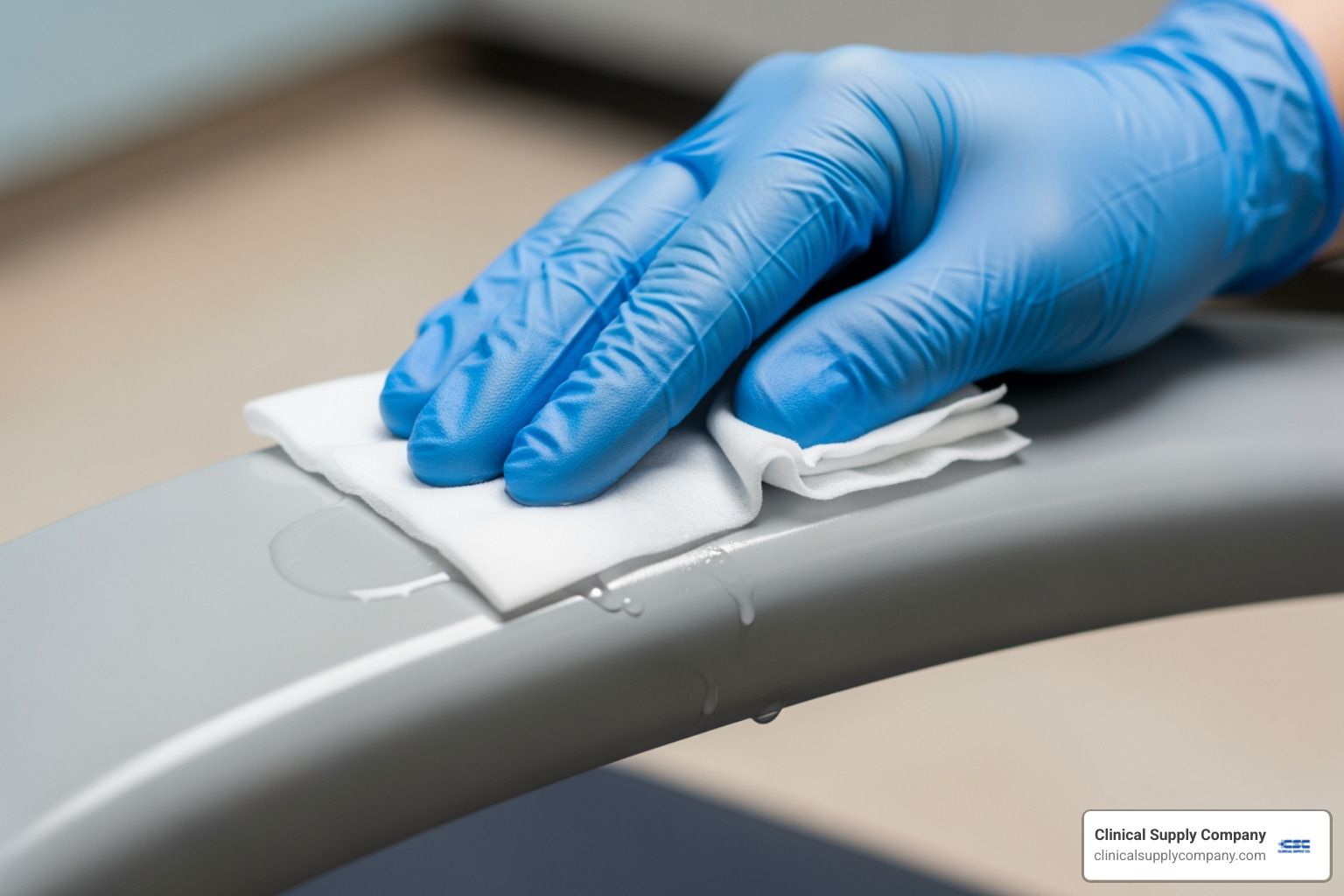
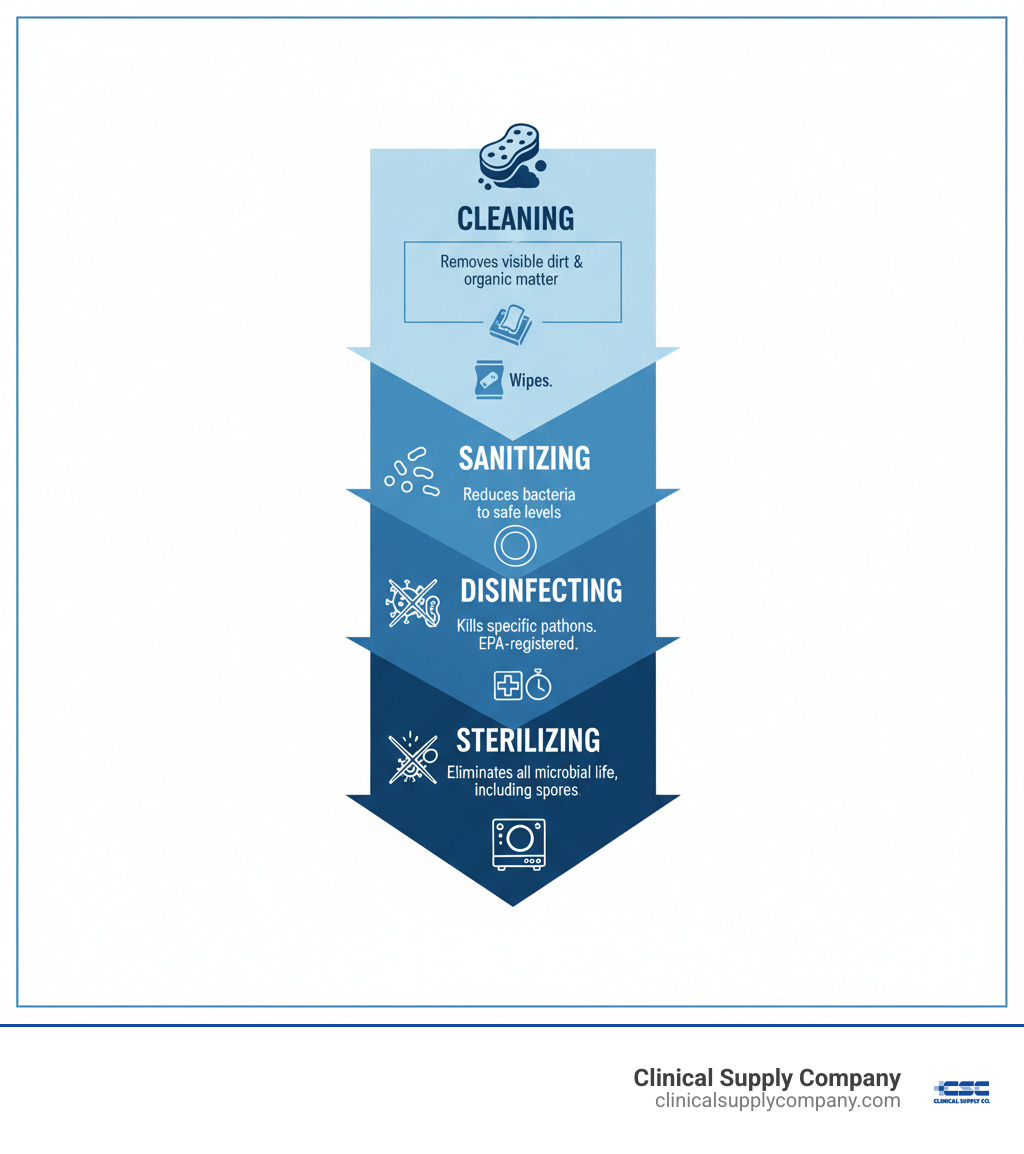
The foundation of proper surface disinfection starts with understanding that you can't disinfect a dirty surface. Visible dirt, blood, saliva, and other organic matter create a protective barrier around microorganisms, shielding them from your disinfectant. This is why the "clean-wipe-wipe" technique exists. Before you ever reach for your dental disinfectant wipes, you need to pre-clean the surface. Remove all visible bioburden with a cleaning wipe or damp cloth first. Only then can your disinfectant wipe do its job properly.
Once your surface is visibly clean, here's where technique becomes critical. The single most important rule is observing the full contact time. That surface must stay visibly wet for the entire duration listed on your wipe's label. If your MaxiWipe requires three minutes of contact time, the surface needs to remain wet for a full 180 seconds. We can't stress this enough—if the surface dries before the time is up, you're just cleaning, not disinfecting. If it starts to dry, grab a fresh wipe and keep it wet.
Another mistake we see constantly is the "one wipe for everything" approach. Use one wipe per surface—or at least a very limited area. Once you've wiped down a contaminated surface, that wipe is now contaminated too. Using it on the next surface just spreads germs around your operatory. It's like washing your face with the same towel you used to dry the bathroom floor. Fresh surface, fresh wipe, every time.
After you've maintained that proper contact time, let the surface air dry completely. Resist the urge to wipe it dry with a paper towel. That just reintroduces contaminants or removes the disinfectant before it finishes working. Give it time to do its job and evaporate naturally.
Preventing cross-contamination goes beyond just the wipes themselves. Always wear appropriate PPE during operatory turnover—gloves, masks, and eyewear. Be mindful not to touch clean surfaces with contaminated gloves. We see staff touch a clean drawer pull right after wiping a contaminated light handle, and suddenly that clean surface isn't clean anymore.
Proper storage matters more than you might think. We've had practices call us saying their wipes "stopped working," only to find out they're leaving the canister lid open between uses. Keep your canisters tightly sealed when not in use. Store them at room temperature, away from direct sunlight, heat sources, and definitely away from open flames. Wipes that dry out are wipes that don't work—it's that simple.
One advantage of wipe disinfection over spray disinfection is that wipes minimize aerosol formation. This reduces the risk of respiratory irritation for your staff and protects sensitive dental equipment that might be damaged by overspray. It's one reason we're such advocates for high-quality wipes like our MaxiWipe—they give you thorough coverage without the downsides of spray bottles.
For a visual guide on what not to do, we highly recommend watching this helpful video: Watch Video: 5 Surface Disinfection Mistakes Dental Teams Still Make. And for even more practical advice on getting the most from your disinfectant wipes, check out our detailed guide: Surface Wipes: Essential Do's and Don'ts Guide.
These practices aren't just recommendations—they're the difference between a truly disinfected operatory and one that just looks clean. We work with dental practices across Ohio and the Midwest every day, and the ones with the best infection control protocols are the ones who take these steps seriously. Your patients trust you with their health, and proper disinfection technique is how you honor that trust.
Frequently Asked Questions about Dental Wipes
We hear the same thoughtful questions from dental professionals across Ohio and the Midwest all the time. It's clear that practitioners want to get this right—not just for compliance, but for the genuine safety of their patients and staff. Let's tackle some of the most common questions we encounter about dental disinfectant wipes to help you feel confident in your infection control protocols.
What's the difference between cleaning wipes and disinfectant wipes?
This question comes up constantly, and it's an important distinction to understand. The two types of wipes serve very different purposes in your operatory workflow.
Cleaning wipes are all about removing visible dirt, grime, and organic matter—what we call bioburden in the infection control world. Think blood, saliva, and other debris. These wipes typically contain detergents or cleaning agents, but they don't necessarily kill microorganisms. They're the first step in the process, preparing the surface for disinfection. A great example from our product line is RiteWipe dental handpiece cleaning wipes, which are specifically formulated to clean dental handpieces before sterilization. They safely remove 99.99% of blood and bacteria using Blue Dot Technology™—embedded micro-scrubbers that efficiently break up and lift contaminants. You're essentially scrubbing the surface clean so that the next step can work properly.
Disinfectant wipes, on the other hand, are formulated with active chemical ingredients designed to kill specific pathogens listed on their EPA-registered labels. These wipes target bacteria, viruses, and fungi on pre-cleaned, non-porous surfaces. This is where products like our MaxiWipe Alcohol-Free Wipes come into play—they're killing the germs that cleaning alone simply can't eliminate.
Here's the key: you need both steps for effective infection control. If you try to disinfect a surface that's still covered in blood or debris, that organic material acts as a protective shield for the microorganisms, and your disinfectant can't do its job. That's why the two-step process—clean first, then disinfect—is so critical in dental environments. We always recommend our clients follow this protocol religiously, and we're here to supply both the cleaning and disinfection products you need to do it right.
What pathogens should dental wipes kill?
When you're evaluating dental disinfectant wipes for your practice, you need to look for specific kill claims that meet the demands of a dental healthcare environment. At minimum, your wipes must be EPA-registered and classified as hospital-grade disinfectants.
The benchmark we always look for is a tuberculocidal claim. Why is Mycobacterium tuberculosis (TB) the gold standard? Because it's one of the toughest pathogens out there. TB bacteria have a waxy, protective cell wall that makes them incredibly resistant to disinfectants. If a wipe can kill TB, you can be confident it's strong enough to eliminate a broad spectrum of other, less resistant microorganisms. This is why tuberculocidal efficacy is the standard for intermediate-level disinfection in dental operatories.
Beyond TB, your dental disinfectant wipes should be effective against bloodborne pathogens like HIV (Human Immunodeficiency Virus), HBV (Hepatitis B Virus), and HCV (Hepatitis C Virus). These are critical concerns in any dental practice where exposure to blood and saliva is routine. You also want coverage against multi-drug-resistant organisms (MDROs) like MRSA (Methicillin-resistant Staphylococcus aureus) and common viruses like Influenza A and H1N1.
Given recent events, SARS-CoV-2 (the virus that causes COVID-19) has become a must-have on any kill claim list. Our MaxiWipe Alcohol-Free Wipes are EPA-registered with a 3-minute kill time against SARS-CoV-2, along with TB and a comprehensive list of other pathogens. This gives you the broad-spectrum protection you need without the harsh fumes or material damage risks that come with high-alcohol alternatives. When you're comparing products, always check the label for these specific pathogens and make sure the wipe meets or exceeds the tuberculocidal benchmark—it's your assurance of hospital-grade effectiveness.
How do I properly store and dispose of wipes?
This might seem like a simple question, but improper storage is one of the most common ways practices accidentally compromise their infection control protocols. We've seen it happen—wipes dry out, lose their effectiveness, and suddenly you're not disinfecting at all.
For storage, the most important rule is keeping the canister or pouch tightly sealed after every single use. The moment wipes are exposed to air, they begin drying out, and dried-out wipes are completely ineffective. Store your dental disinfectant wipes at room temperature—generally between 59°F and 86°F (15°C to 30°C). Keep them away from direct sunlight, heat sources, and any extreme temperatures. High heat can degrade the active ingredients, while freezing can alter the texture and make the wipes unusable. If your wipes contain alcohol, make sure they're stored in a well-ventilated area away from any ignition sources. It's basic safety, but it matters.
When it comes to disposal, most used dental disinfectant wipes from routine surface disinfection can go straight into your regular trash. They're considered general waste as long as they're not heavily saturated with blood or other potentially infectious materials (OPIM). However, if a wipe is dripping with blood or visibly caked with OPIM, it crosses into the category of regulated medical waste. In that case, dispose of it according to your local and state regulations—typically in a designated biohazard bag or container.
Here in Ohio and across the Midwest, regulations can vary slightly by municipality, so always check with your local waste management authority to ensure you're in full compliance. We're here to help you steer these requirements and make sure your practice stays safe, compliant, and efficient. Proper storage and disposal aren't just about following rules—they're about making sure every wipe you use is as effective as the day it was manufactured.
Conclusion: Ensuring a Safe and Compliant Practice
Every day in your dental practice, you make dozens of decisions that affect the safety and well-being of your patients and team. Among these, choosing the right dental disinfectant wipes might seem straightforward, but as we've seen throughout this guide, it's a decision that carries real weight—impacting everything from infection control efficacy to the longevity of your equipment.
The path to effective surface disinfection requires balancing several factors. You need kill claims that cover the full spectrum of pathogens your operatory encounters, contact times that fit realistically into your patient turnover schedule, active ingredients that deliver proven efficacy, and crucially, material compatibility that protects your investment in dental chairs, upholstery, and sensitive equipment.
Throughout this guide, we've examined various options on the market. While high-alcohol wipes offer speed, they come with the hidden cost of material degradation over time—cracking vinyl, damaging plastics, and creating strong odors that can bother sensitive patients and staff. Hydrogen peroxide options provide excellent performance but often at a premium price point. Quat-alcohol combinations offer broad coverage but may leave residue and still carry alcohol-related material concerns.
This is why we're so confident in recommending our MaxiWipe Alcohol-Free Wipes as a safe and effective solution that doesn't ask you to compromise. With its EPA-registered, intermediate-level disinfection, MaxiWipe kills the pathogens that matter most—including SARS-CoV-2, tuberculosis, MRSA, HIV, and HBV—all with a reasonable 3-minute contact time. More importantly, it accomplishes this without harsh alcohol or fragrances, making it ideal for practices where staff or patient sensitivities are a concern, while offering excellent material compatibility that preserves your equipment for years to come.
At Clinical Supply Company, we've built our reputation here in Ohio and across the nation by understanding that dental professionals need more than just products—they need partners who understand the real challenges of running a compliant, efficient practice. We're here to help you implement robust infection control protocols that meet CDC guidelines and protect everyone who enters your operatory. For additional insights on maintaining a spotless practice environment, explore our comprehensive guide on Surface Wipes: Dental Office Cleaning.
Your commitment to infection control reflects your commitment to excellence in patient care. By making informed choices about your dental disinfectant wipes and following the best practices we've outlined, you're creating a safer, healthier environment for your patients and team—and that's what exceptional dentistry is all about.


